Random Number Generation in Hand of Anubis Slot Certified for UK

For players enjoying online slots in the UK, game integrity goes beyond a nice feature—it is the whole foundation https://handofanubis.net/. All hinges on the Random Number Generator. This RNG is the digital core that makes each spin a unique, fair event. The Egyptian-themed Hand of Anubis slot isn’t limited to fair play; its RNG carries independent verification and certification. We’ll look at how these number generators work, review the strict testing they undergo for the UK market, and reveal precisely how Hand of Anubis uses this tech to deliver a trustworthy game. Grasping this process lets players be confident, knowing their hunt for ancient treasure is powered by pure, audited chance.
The way RNG Certification Works for UK Players
Any operator presenting online gambling in the United Kingdom requires a licence from the UK Gambling Commission. The UKGC is acknowledged globally for its stringent standards. One non-negotiable licence condition requires that every game, including Hand of Anubis, must use RNG software examined and certified by an authorized independent lab. Companies like eCOGRA, iTech Labs, and GLI possess the accreditation to perform these audits. They execute deep statistical analysis on millions of simulated game rounds, checking for any bias, predictability, or drift from expected random patterns. A game receives its compliance certificate after succeeding in these exhaustive tests.
Certification isn’t a box you tick once. To keep their UKGC licence, game providers must put their games and core RNG systems through regular re-audits. This practice ensures ongoing compliance, especially after software updates or changes. For the player in the UK, it implies choosing Hand of Anubis at a UKGC-licensed casino provides you with a version that has withstood these rigorous checks. You can often find the certification reports yourself. They’re usually displayed on the testing lab’s website or in the casino’s own fairness section. This transparency exists by design. The entire regulatory structure exists to protect the player, ensuring games are fair and operators stay accountable.
Core Aspects of RNG Testing
The technical aspect of RNG testing is comprehensive. It examines the algorithm from all sides to validate its integrity. Labs use advanced mathematics and drive the software through billions of cycles, simulating years of play in a very short time. They check the frequency of wins, the distribution of symbols, and how often bonus features activate. All this data must correspond to the game’s published theoretical Return to Player (RTP) percentage. A significant discrepancy indicates a failed audit. That game will never be released in a regulated market like the UK.
Statistical Tests Performed
A series of fundamental tests forms the audit’s backbone. The Chi-Squared test confirms if the observed distribution of outcomes corresponds to what was expected. Serial Correlation tests hunt for hidden links between consecutive numbers, showing one result doesn’t nudge the next. The Runs Test evaluates sequences of similar outcomes to verify they appear with natural randomness. Auditors also scrutinise the ‘entropy source’. This is the original seed data that starts the entire RNG sequence, and it must be completely random. For Hand of Anubis, these tests collectively confirm that Anubis scatter symbols, tomb bonus triggers, and multiplier values are all authentic products of chance.
How RNG Verification Is Important for UK Gambling
RNG verification establishes the trust that holds the UK online gambling industry together. It transforms an intangible digital game into something as credible as a physical machine on a casino floor. For you, the player, it means your skill or your plan for when to bet or cash out doesn’t change the fundamental spin result. It is a pure game of chance, regulated by a certified random system. This establishes a completely level field. It also safeguards players against fraudulent software built to tweak odds or withhold legitimate payouts. The UKGC’s demand for independent certification is a powerful consumer protection tool. It clearly differentiates licensed, legitimate operators from unregulated black-market sites.
This verification also underpins responsible gambling. When players realize the game is fair and outcomes are random, they can make better decisions. They can rely on the game’s stated RTP and volatility, instead of chasing losses based on superstition or a false sense of pattern. In an engaging game like Hand of Anubis, knowing the RNG is certified serves as a safety net. It enables you enjoy the entertainment without a layer of suspicion. The process keeps game providers and casinos accountable, too. They must be transparent about their certifications and game fairness, which helps promote a healthier gambling environment for everyone in the UK.
How Players Can Check Game Fairness On Their Own
While specialists handle the technical auditing, UK players are not helpless. You can follow practical measures to ensure you’re playing a trustworthy version of Hand of Anubis. Your primary action is to only choose casinos authorized by the UK Gambling Commission. That authorization is your confirmation that each game on the site has passed the necessary RNG tests. Once you’re at a regulated casino, search for a “Game Fairness” or “Responsible Gaming” link. You’ll typically locate this at the bottom of the site. This part should offer links to documents from independent testing labs, showing the game’s RNG and RTP have been verified.
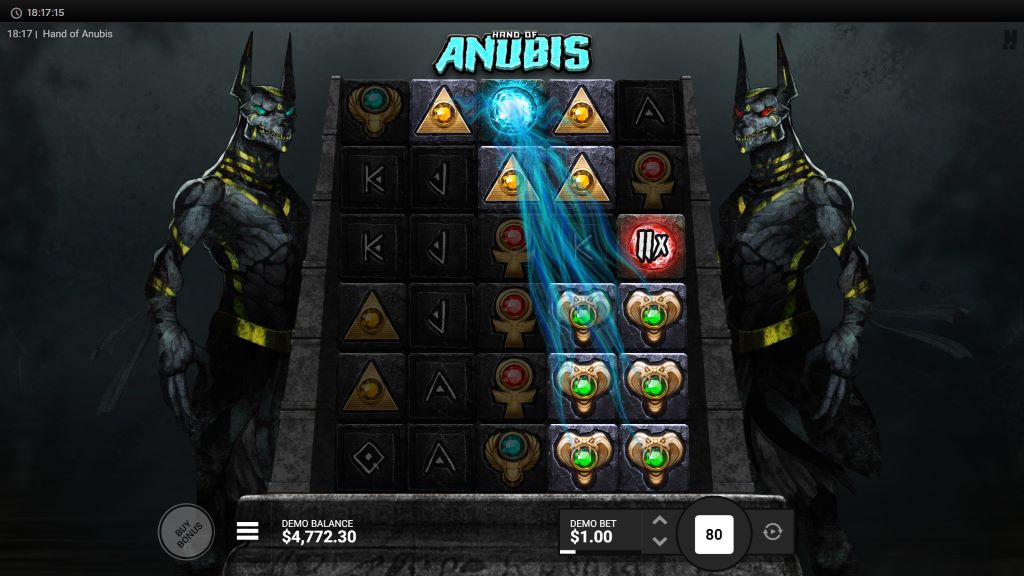
Trustworthy game providers, like the one behind Hand of Anubis, typically publish the calculated RTP figures and game variance inside the game’s information or help screens. It’s worth checking this details. Another good resource is the webpage of the testing labs themselves, like eCOGRA or iTech Labs. They may show the games they’ve certified. Following these straightforward checks means you can navigate the Hand of Anubis ancient site with genuine assurance. You’ll be aware the UK’s rigorous oversight framework is diligently functioning to ensure your experience entertaining and equitable.
What exactly is a Random Number Generator (RNG) operate?
A Random Number Generator acts as a complex algorithm that produces a never-ending stream of unpredictable numbers. In a slot like Hand of Anubis, this sequence decides the exact outcome the instant you press spin. Each number corresponds directly to the symbols that land on the screen. This action is immediate and completely isolated from any spin that came before or will come after. The RNG doesn’t remember anything. Every result is a brand new event, which makes predicting or interfering with outcomes impossible. This technology is the main divider between licensed, regulated slots and shady alternatives. It’s the bedrock of fair play for UK online casinos.
The algorithm’s complexity assures its output is statistically random. It captures the same core unpredictability as a spinning roulette wheel or a freshly shuffled deck of cards. A game with features like Hand of Anubis asks more from its RNG. It doesn’t just calculate the initial symbol drop. It also works out the results for each cascade when winning symbols vanish, and it determines if and when the Anubis Quest bonus round kicks off. All this computation happens invisibly behind the game’s visuals and soundtrack. The experience feels smooth, but the fairness is absolute. The RNG operates constantly, even when no one is playing, so the number chosen at the exact moment of your spin is as random as it can be.
Popular Misconceptions About Slot RNGs
Despite clear technology, some stubborn myths about slot RNGs remain widespread. It helps to clear these up, specifically for a UK audience. A common belief is that a machine becomes “due” for a win after a series of losses. As each spin is independent, the RNG has no memory of past results. This idea, known as the gambler’s fallacy, is false. Another myth suggests the timing of your button press can alter the result. The RNG operates at remarkable speed. The number is selected the exact millisecond the command is received, so human timing is meaningless. Some also think betting higher amounts produces better outcomes. The RNG is blind to your stake size. It only selects symbol combinations.
Comprehending these facts is essential to a reasonable approach to slots like Hand of Anubis. The certified RNG provides a few definite things:
- Each spin result is an independent event with set odds.
- Not a single pattern or strategy can anticipate what will happen on the next spin.
- The game’s published RTP is a overall theoretical figure, not a short-term guarantee.
- Bonus features trigger randomly based on set probability, not on how much money you’ve wagered in that session.
Acknowledging these points helps players view the game for what it is: amusement with random rewards. It isn’t a puzzle to figure out or a system to outsmart. The UK Gambling Commission promotes this perspective as part of a more responsible gambling mindset.
The Purpose of RNG in Hand of Anubis Gameplay
Inside the Hand of Anubis slot, the RNG is the hidden director for your expedition. Whenever the reels start spinning, the RNG instantly picks a value that determines the exact symbols that will fall. This governs everything, from a basic spin to the game’s special features. The cascading reels mechanic, where winning symbols disappear and new ones fall in, requires a fresh RNG call for every cascade level. The same applies for the Anubis Quest bonus round. The process of collecting scarabs to unlock free spins with growing multipliers is governed by RNG outcomes for scarab collection and every spin within the bonus itself.
The game’s medium volatility and its stated RTP (usually 96.47% in its UK-certified form) are mathematical outcomes of the RNG’s programming. Volatility just describes the frequency and size of payouts as governed by the random distribution. This creates a balance between smaller, regular wins and the chance for bigger, less frequent payouts. Developers craft this experience by setting specific probabilities for each symbol and feature within the RNG algorithm. So that thrilling moment when the reels are packed with matching symbols, or the bonus round activates, is a direct product of this certified random process. It guarantees every player has the same shot at the treasures hidden in the ancient tomb.